
Who Choose Us?
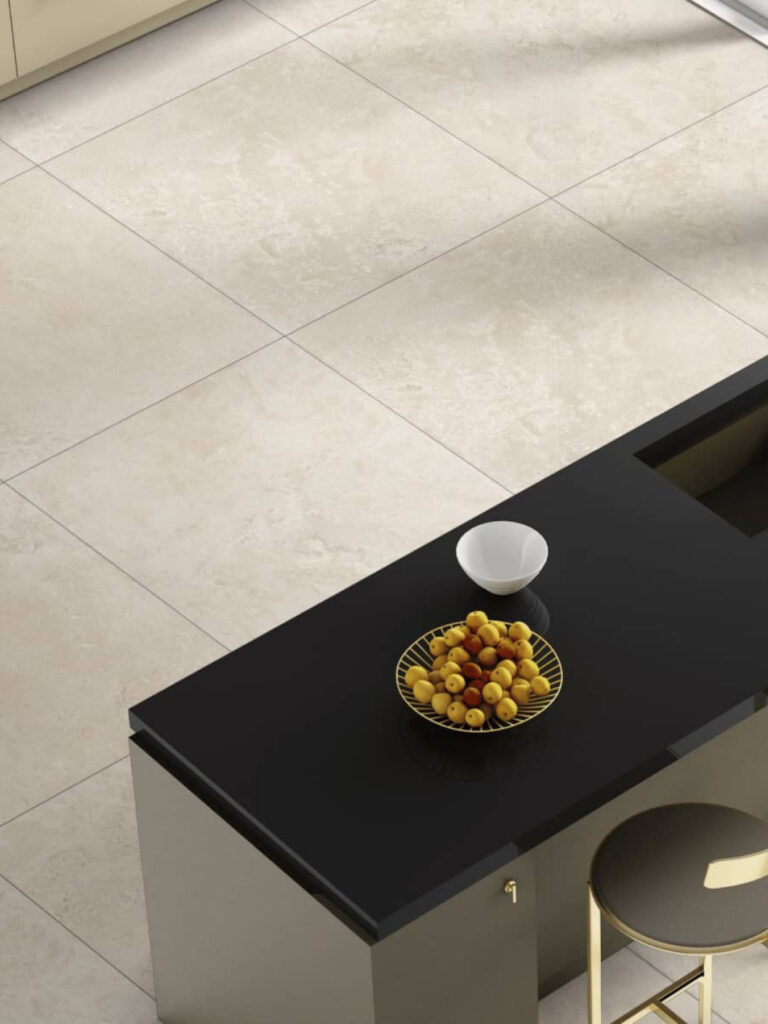
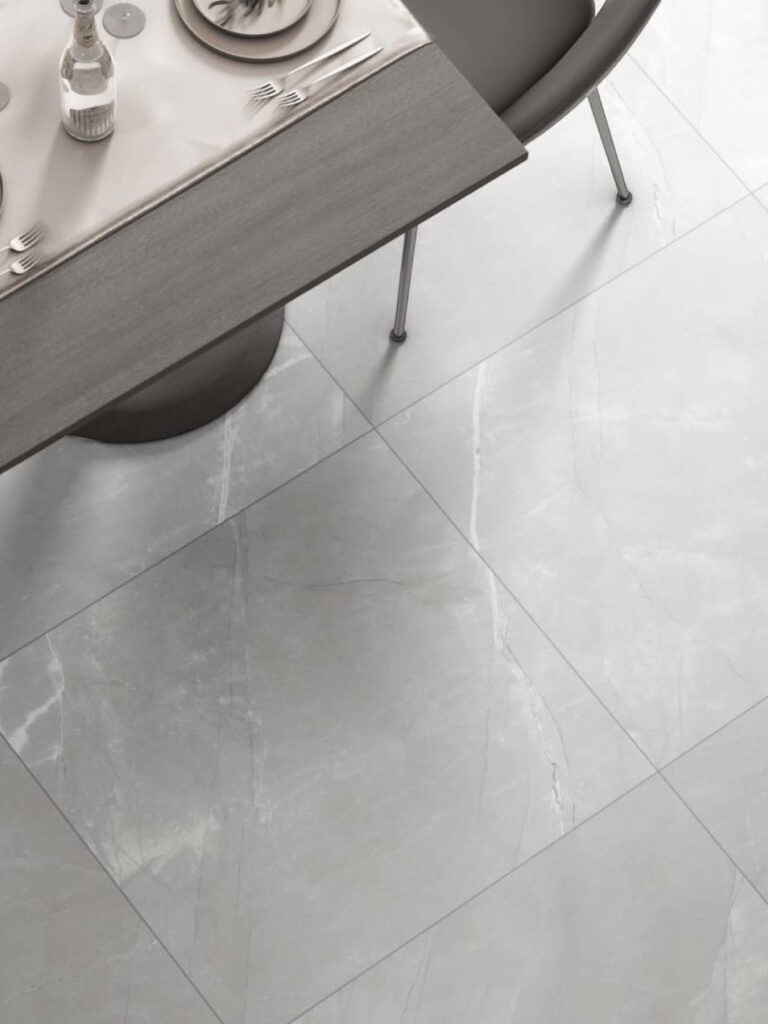
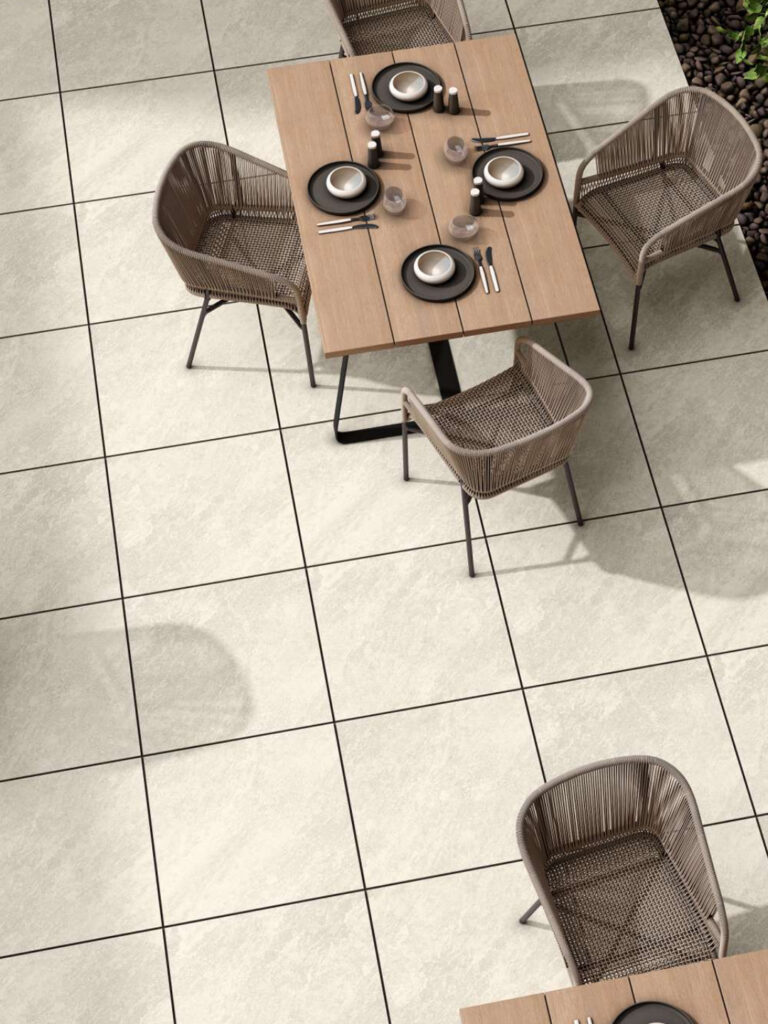
With our own manufacturing plant in India and our flagship in-house brand, EXCLUSIVE Tiles, we maintain full control over quality, consistency, and supply. We support this with large warehousing facilities and ready stock availability, allowing us to serve retail, wholesale, and project requirements seamlessly under one roof. Backed by strong industry experience since 2013, we are trusted by dealers, contractors, and developers alike, and we ensure timely delivery across the UAE.
Our Collection

Frequently Asked Questions
What tile sizes and formats does Everstone offer?
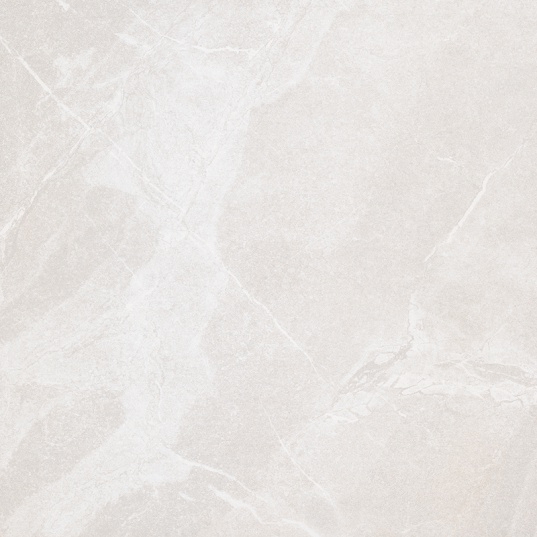
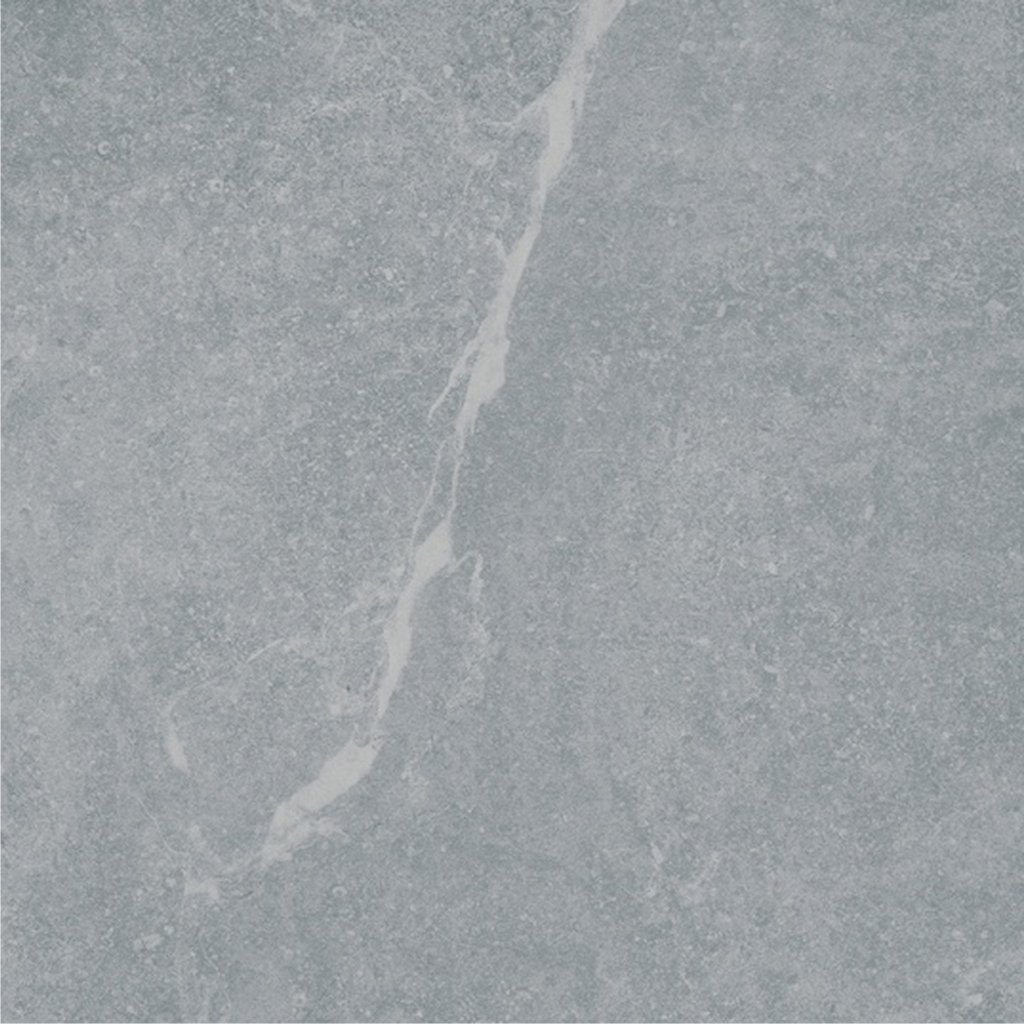
Everstone offers an extensive, carefully curated range of ceramic and porcelain tiles designed to meet the evolving demands of modern architecture and interior design. The collection spans versatile standard formats, including 30×60 cm, 60×60 cm, 60×120 cm, 80×80 cm, 80×160 cm, 120×120 cm, and 20×120 cm, alongside impressive large slab formats such as 120×240 cm, 120×280 cm, 120×300 cm, 120×320 cm, 80×240 cm, 80×300 cm, and 80×320 cm. The range is further complemented by durable outdoor tiles in 60×60 cm (20 mm thickness) and 60×120 cm (20 mm and 15 mm thickness), ensuring solutions for both indoor and exterior applications.
Which finishes are offered in Everstone tiles?
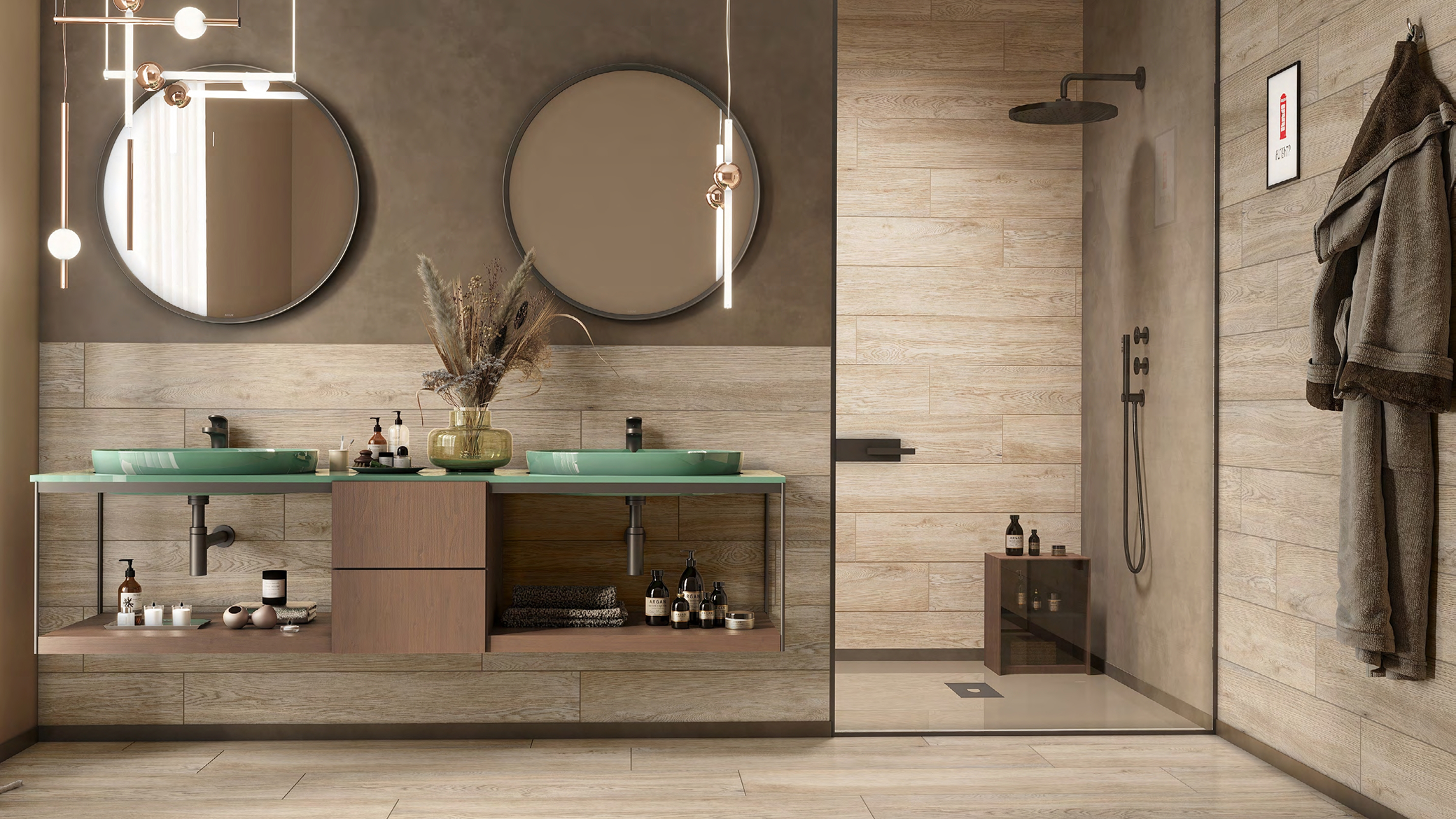
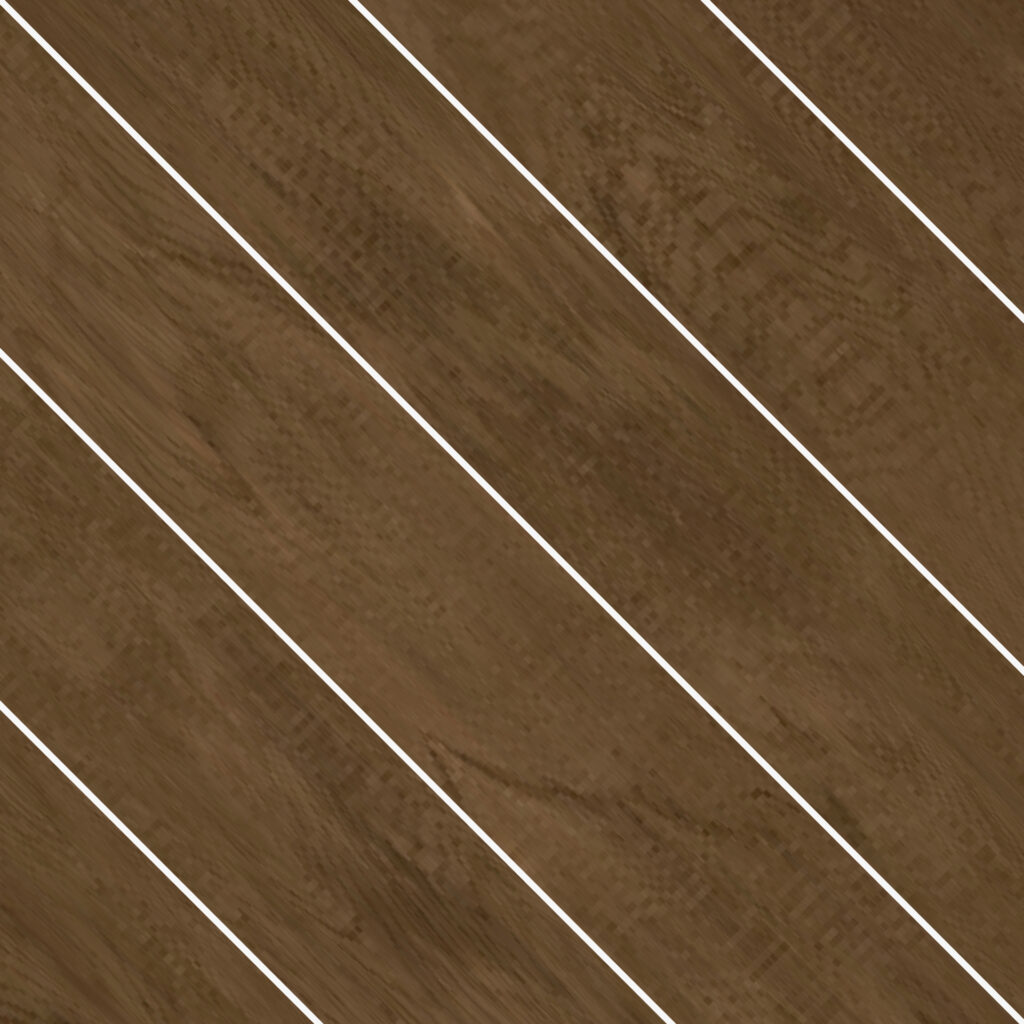
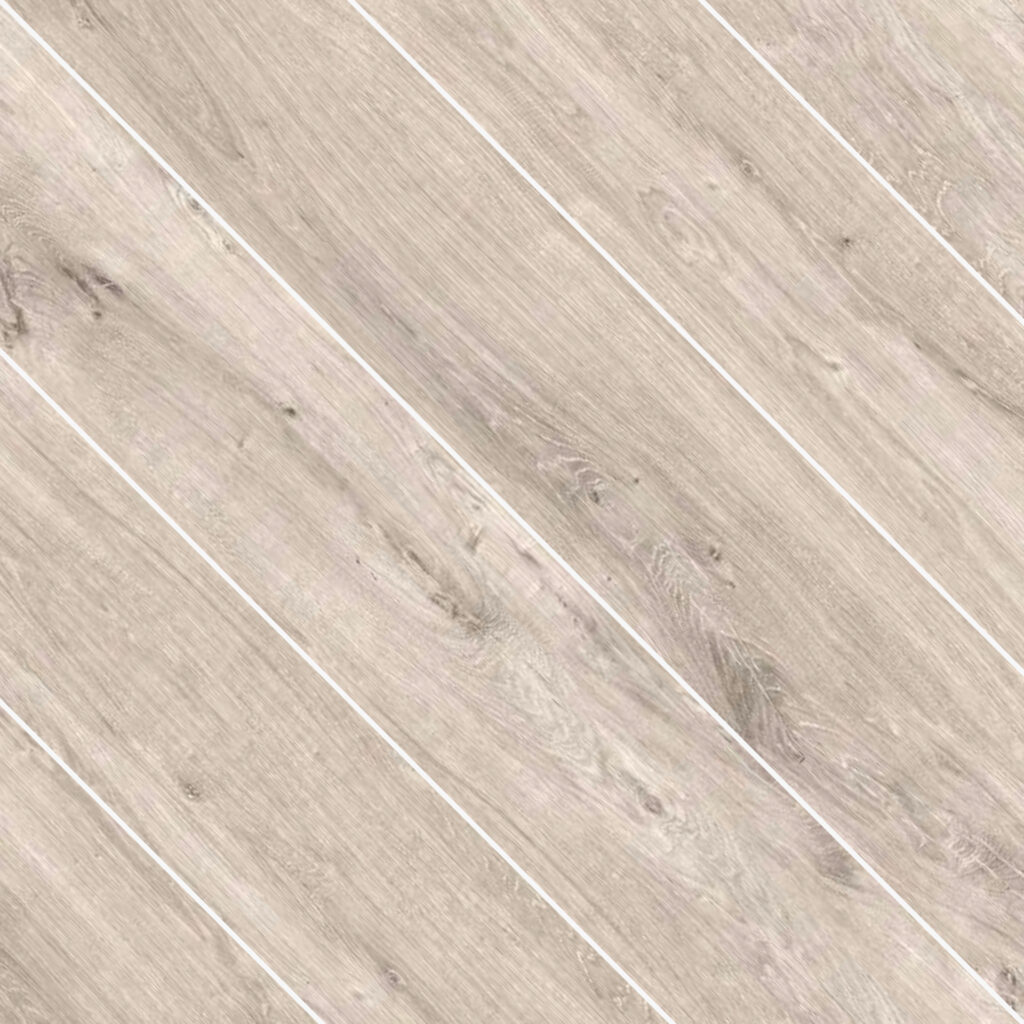
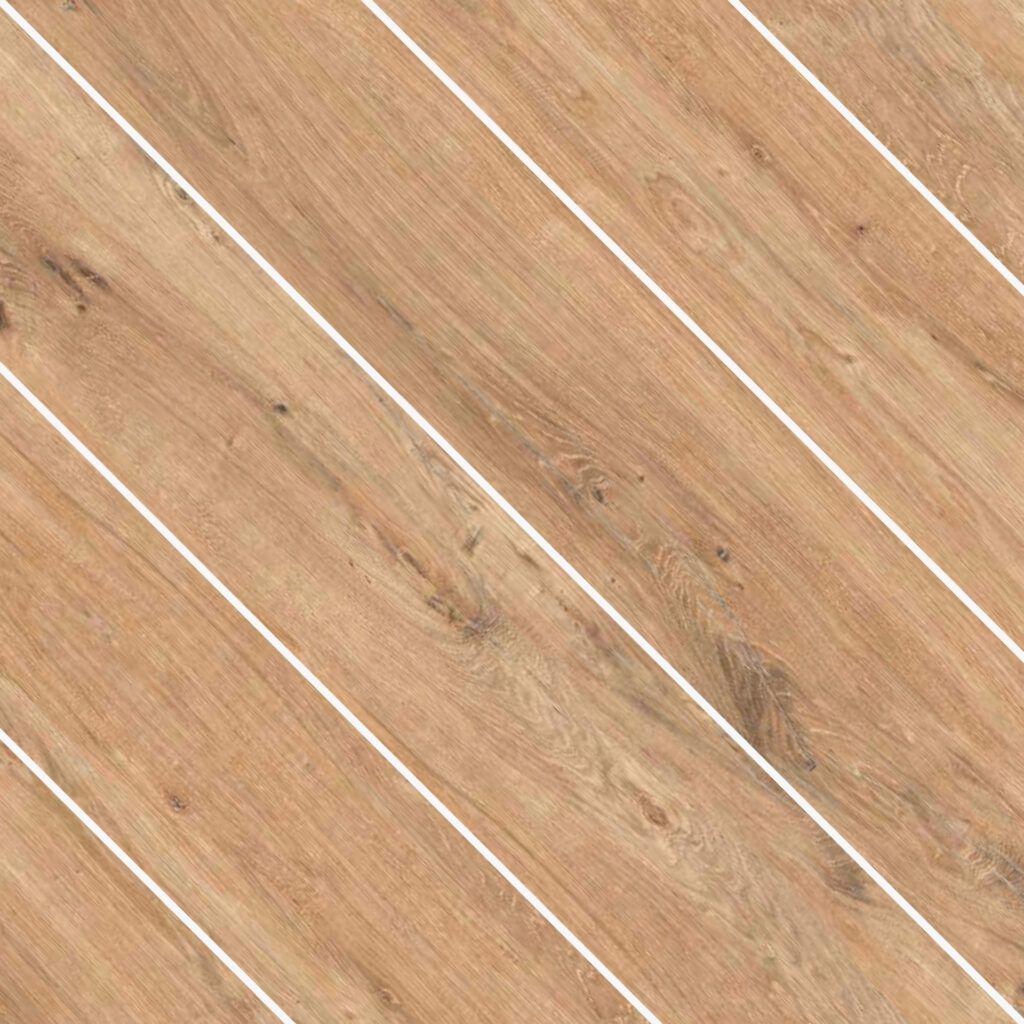
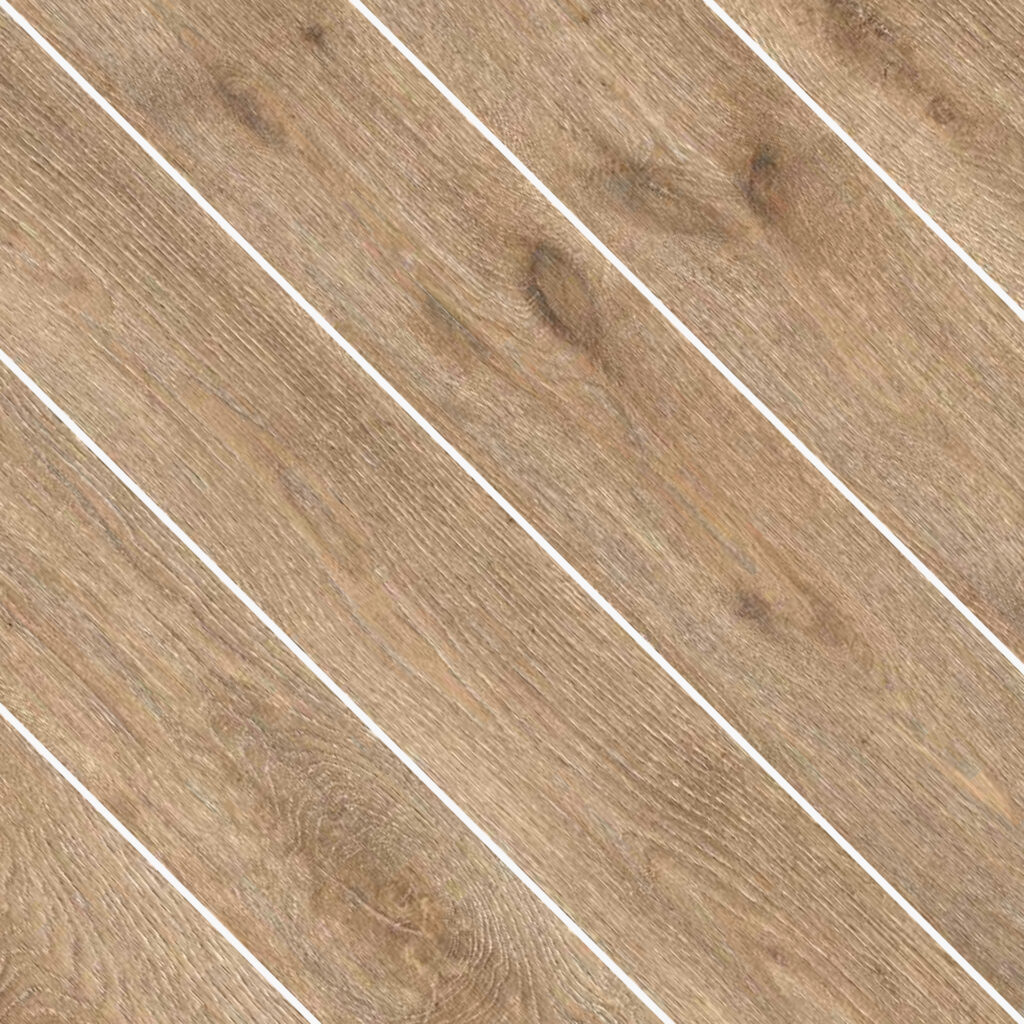
Everstone tiles are available in a wide selection of finishes to suit diverse design and functional requirements. These include glossy, high gloss, matt, satin, lapato, and leather finishes for refined interior spaces, as well as wooden-look finishes for natural aesthetics. For exterior and high-traffic areas, outdoor anti-slip finishes are also available, ensuring both safety and durability without compromising on style.
What's the difference between ceramic and porcelain?
Porcelain is denser and absorbs less than half a percent of moisture, making it frost proof and suitable for outdoors. Ceramic is more porous, primarily used for interior walls or low traffic areas for aesthetics.
What are PEI and Slip Ratings?
PEI ratings measure surface wear resistance, ranging from zero (wall only) to five (heavy commercial). Slip ratings, like DCOF, indicate traction; higher numbers are essential for safety in wet zones like bathrooms or outdoor entries.
Can I put wall tiles on the floor?
Generally, floor tiles can be used on walls, but wall tiles should never go on floors. Wall tiles are thinner and lack the structural strength or slip resistance required to withstand heavy foot traffic safely.